
Design & Development Process
Step 05CNC Prototype & Pilot Tooling Verification (Optional)
A Two-Stage Validation Pathway Before Production Tooling Commitment
Before committing to full production tooling, some projects need more than a 3D-printed prototype. For clients where precision, material behavior, or surface detail are non-negotiable, we offer two optional verification stages — each serving a distinct purpose, each available independently or in sequence.
CNC Prototype
Material-Accurate Verification of Dimensions & Structural Performance
A CNC prototype is machined directly from metal — not printed in resin. The result is a sample with near-final material properties that behaves the way the finished product will. Where Step 04 confirms how your product looks, Stage A confirms how it performs:

Specific gravity & weight confirmation
Product weight verified against design intent using actual metal, not approximated from a printed model.

Structural strength assessment
Load-bearing performance and mechanical behavior evaluated under real-world use conditions.

Dimensional accuracy confirmation
Critical tolerances machined to specification with precision that 3D printing cannot replicate.
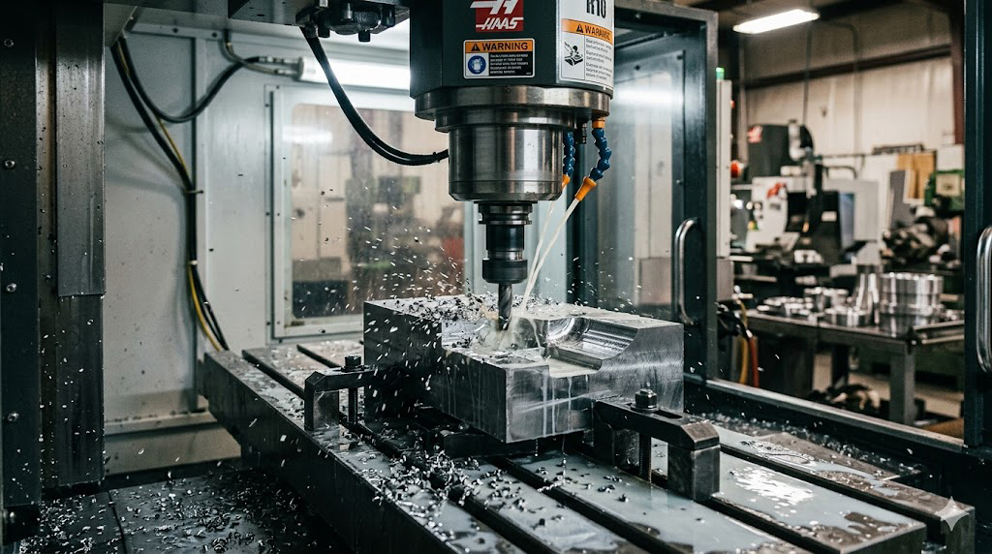
CNC prototyping requires greater investment than 3D printing in both cost and lead time — but it delivers material-accurate results that resin printing simply cannot. When structural performance and real-world behavior are critical to your sign-off decision, this is the stage that gives you certainty.
Pilot Tooling
Metal Forming Validation & Process Calibration
For projects where forming process, surface finish, and mold behavior need to be confirmed before production tooling investment, pilot tooling is the answer. We produce trial molds that generate metal samples through the same casting methods used in mass production — giving you a validated process, not just a validated shape.
Pilot tooling samples replicate the final production output in forming process, material properties, and structural behavior. Minor surface refinements — such as final polish level and plating — are confirmed at the production tooling stage. At this stage, clients verify:

Dimensional & structural accuracy
Physical dimensions and structural integrity were verified against approved engineering drawings to ensure accuracy and compliance.

Functional performance & operability
Mechanism operation, locking behavior, and load response tested under actual metal production conditions.

Compliance with mass-production standards
Final quality expectations checked against client specifications and internal SOP before production tooling is approved.

Metal forming quality & assembly stability
Die casting surface integrity, parting line quality, and component fit evaluated on real cast samples.
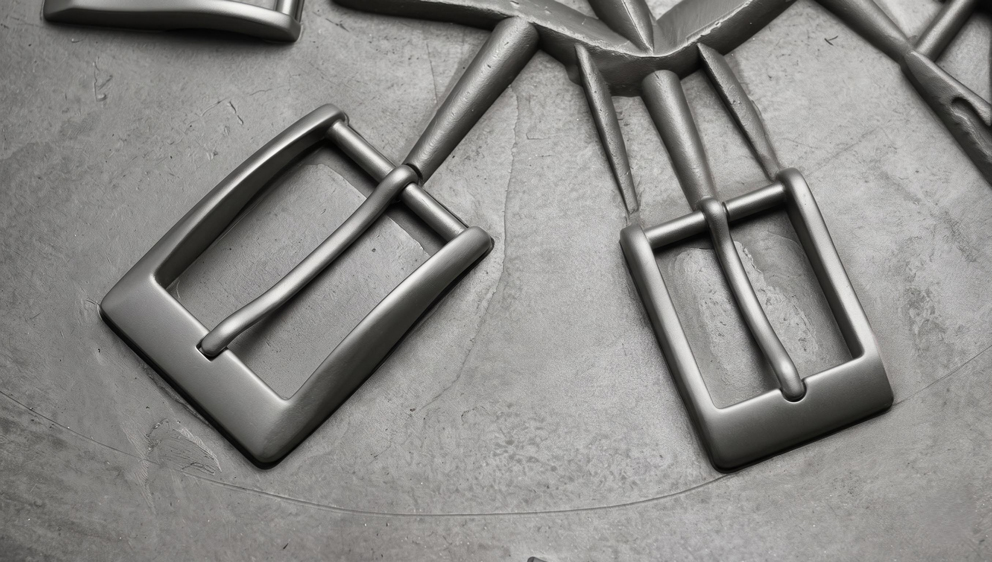
What makes pilot tooling uniquely valuable:
Beyond sample verification, this stage calibrates the mold parameters that govern every future production batch — injection speed, cavity pressure, cooling time, and material flow behavior. These parameters, once confirmed here, become the production baseline. No other verification stage does this.
Which Stage Does Your Project Need?
| Stage | Key Purpose & Recommended When |
|---|---|
| A — CNC Prototype | Structural strength, specific gravity & dimensional accuracy / Recommended when material performance is critical to sign-off |
| B — Pilot Tooling | Metal forming, surface finish, process calibration & final appearance / Recommended before committing to production tooling |
Both stages are optional and can be used independently or in sequence. We'll recommend the right path based on your product type, precision requirements, and development timeline — with no obligation to use either if your project doesn't need them.
