
Design & Development Process
Step 043D Prototype & Mockup Verification (Optional)
Before the first mold is cut, hold your product in your hands. Our in-house 3D prototyping lets you validate the design physically — catching proportion issues, fit problems, and structural concerns before they become expensive tooling mistakes.
See It. Hold It. Approve It — Before Tooling Begins.
A physical prototype tells you things a drawing never can — how it feels in your hand, how it moves, whether the proportions are right. That's information worth having before tooling costs are committed.
What you get from this stage:
- Faster decisions — Physical models in days, not weeks. Review and approve before the next stage begins.
- Lower tooling risk — Confirm structure, fit, and proportion before committing to mold investment.
- Immediate iteration — Spot an issue? We adjust the design and reprint. No mold modifications, no added cost.
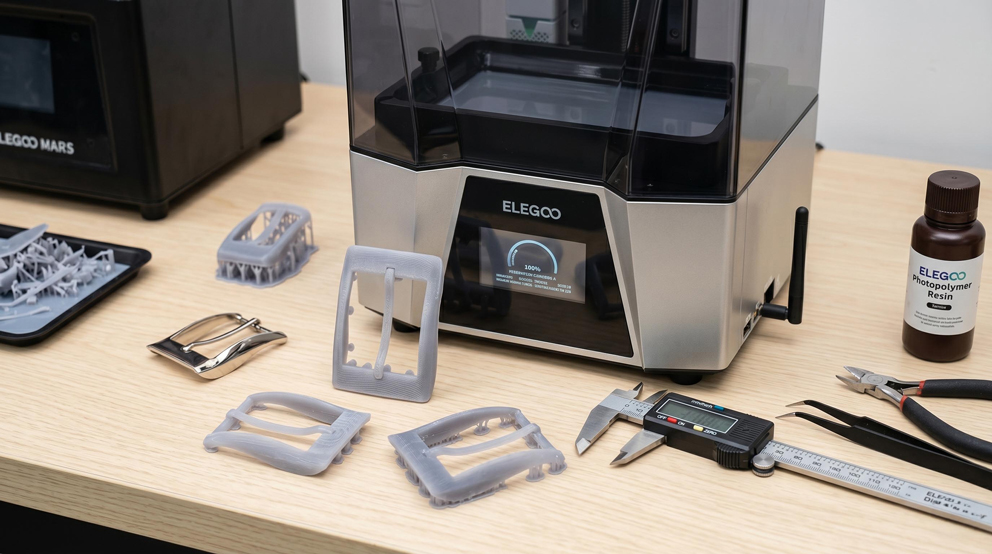
What Makes Our Prototyping Process Different

Short Lead Time
In-house modeling and printing prep means no waiting on third parties. Your prototype is ready when you need it.

Simultaneous Engineering Review
While you're reviewing the physical model, our engineers are evaluating it for production feasibility — both happen at the same time.

Immediate Design Adjustments
Real-world feedback from the prototype feeds directly back into the design. Iterations are fast, precise, and documented.
We don't just print a model and hand it over. Every prototype goes through a simultaneous design and engineering review — so by the time you approve it, we've already validated it for production.
The gap between a drawing and a real product is where most problems hide. We close that gap early — so nothing surprises you at the tooling stage.
What We Validate Before You Sign Off
Every prototype review covers these five areas — nothing moves forward until all of them are confirmed:

Dimensional Proportions
Does it look right at actual size? We verify appearance and wearing scale before anything else.

Tactile Feel & Operability
How does it feel to use? We test operation smoothness, surface texture, and weight balance.

Structural Feasibility
Part layout, movement range, and assembly logic confirmed before tooling design begins.

Belt Compatibility
Physical fit testing against your specified belt widths, thicknesses, and materials.

Visual Appearance
Line flow, surface continuity, and overall form integrity — validated against the approved design.
Skip the Surprises. Validate First
Most tooling problems are discovered too late — after molds are cut and money is spent. A 3D prototype catches them early, when changes cost almost nothing. It's the step that pays for itself.
